The Role of Data Centers in Smart Cities and IoT Growth
13 May 2026 | Data Centers
Introduction
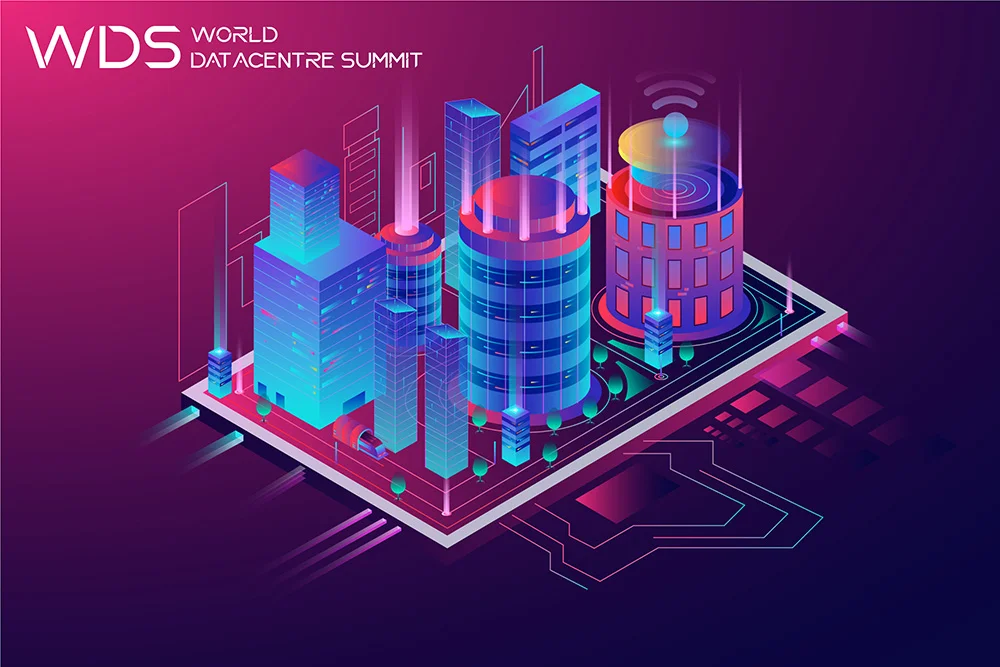
As cities become more connected and technology-driven, the demand for reliable data centres is rapidly increasing. Smart cities rely on advanced digital systems to manage transportation, healthcare, energy, public safety, and communication networks. At the center of this transformation are modern data centers that support the growing internet of things ecosystem and ensure real-time data processing.
The rise of connected devices, sensors, and intelligent applications has increased the need for strong digital infrastructure. From traffic management systems to smart energy grids, every smart city depends on secure and scalable data management solutions. Technologies such as edge computing, cloud data center solutions, and data center and cloud computing are helping cities process large amounts of information efficiently.
This blog explores how data centers are driving smart city development, supporting IoT growth, and shaping the future of urban innovation.
Why Data Centres Are Essential for Smart Cities
Smart cities generate enormous amounts of data every second. Connected systems including surveillance cameras, smart meters, transportation systems, and healthcare applications continuously collect and transmit information.
Modern data centres play a critical role by:
- Storing and managing city-wide data
- Supporting real-time analytics
- Enabling secure communication networks
- Powering cloud-based applications
- Improving operational efficiency
Without reliable digital infrastructure, smart city operations would face delays, security risks, and performance issues.
Data Center Colocation and Smart City Expansion
As data requirements grow, many organizations are turning to data center colocation services.
Why Colocation Matters
Data center colocation allows businesses and governments to place their servers inside professionally managed facilities without building their own infrastructure.
Benefits include:
- Reduced operational costs
- High-level physical security
- Better network connectivity
- Energy-efficient operations
- Access to advanced infrastructure
For smart cities, colocation services provide flexible and scalable support for IoT applications and digital services.
Digital Infrastructure as the Foundation of Smart Cities
Strong digital infrastructure is necessary to support urban innovation. Data centers form the backbone of this infrastructure by enabling:
- High-speed connectivity
- Secure data storage
- AI-powered analytics
- Smart governance systems
- Intelligent communication networks
As smart city projects expand globally, governments and enterprises are investing heavily in modern data center technologies to support future urban demands.
The Future of Data Centers in Smart Cities
The future of smart cities will depend on faster, greener, and more intelligent data center operations.
1. Sustainable Data Centers
Energy-efficient facilities and renewable energy adoption will become major priorities.
2. AI-Driven Automation
Artificial intelligence will improve monitoring, predictive maintenance, and operational efficiency.
3. Expansion of Edge Computing
The growth of edge computing will support autonomous vehicles, smart healthcare, and real-time city management systems.
4. Increased Cloud Adoption
More cities will adopt advanced cloud service solutions for scalable and secure operations.
5. Enhanced Cybersecurity
As IoT networks expand, stronger cybersecurity systems will become essential for protecting city-wide digital infrastructure.
The continued evolution of data center and cloud computing will play a major role in supporting future smart city ecosystems.
Conclusion
The rapid growth of smart cities and the internet of things is increasing the importance of modern data centres worldwide. Technologies such as edge computing, cloud data center platforms, and cloud based data centers are helping cities process and manage massive amounts of data efficiently.
From supporting intelligent transportation systems to enabling connected healthcare services, data centers are the backbone of modern urban development. Solutions like data center colocation, advanced cloud service platforms, and scalable digital infrastructure are driving innovation across industries.
As cities continue to adopt smarter technologies, the integration of edge computing and iot will become increasingly important. The future of urban transformation will rely heavily on secure, scalable, and sustainable data center ecosystems that support the next generation of connected living.